Ціна нафти на 21 травня – ціна на нафту Brent, WTI, Urals
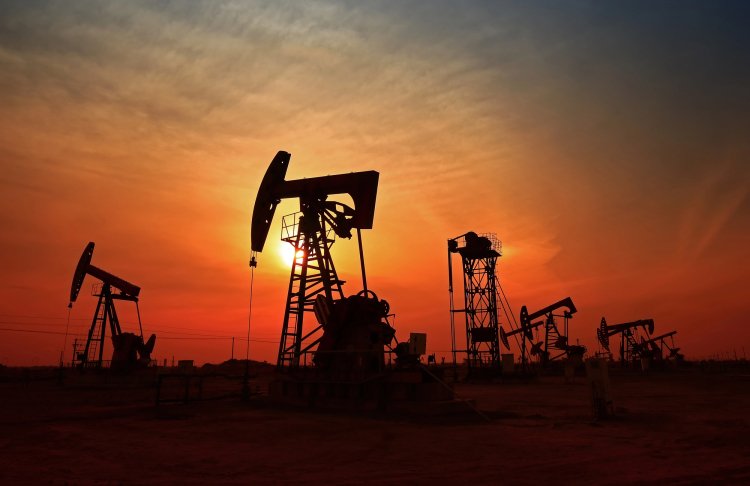
As of May 21, 2026, the price of Brent crude oil stands at $108.12 per barrel, WTI at $101.50, and Urals at $101.32. The oil market has responded with rising prices, driven by expectations surrounding the outcomes of peace talks between the U.S. and Iran, while a real supply shortage and dwindling inventories in the U.S. prevent prices from declining.
This information is reported by [source].
## Current Oil Prices (Brent, WTI, and Urals) – May 21
| Type of Oil | Price | Change (%) |
|-------------|----------|------------|
| Brent | $108.12 | -2.00% |
| WTI | $101.50 | -1.82% |
| Urals | $101.32 | -1.12% |
Futures for Brent crude oil rose by 78 cents, or 0.74%, reaching $105.80 per barrel. Meanwhile, West Texas Intermediate gained 84 cents, or 0.85%, trading at $99.10. The day prior, both benchmarks saw a drop of more than 5.6%, reaching weekly lows following U.S. President Donald Trump's announcement about the final stage of negotiations with Tehran, which was accompanied by threats of renewed strikes should a peace agreement fail.
## Reasons for Price Fluctuations
According to Reuters, despite recent volatility, oil prices experienced some stabilization on Thursday. Market sentiment is influenced by two key factors: the progress of U.S.-Iran negotiations and increasing global supply shortages due to declining fuel volumes in U.S. reserves.
The oil market remains highly sensitive to geopolitical news from the Middle East, even though previous optimistic reports have frequently ended in disappointment. Analysts predict that the average price of Brent over the current quarter will hover around $104 per barrel.
Complicating matters, Iran has announced the formation of a new structure to strengthen control over the strategically vital Strait of Hormuz, through which approximately 20% of the world's oil and liquefied gas was previously transported. Tehran has effectively closed this route in response to previous attacks by the U.S. and Israel, which escalated into conflict starting February 28. Although there was a ceasefire in April, restrictions on movement in the strait imposed by Iran and a blockade of its coastline by the United States continue.
Due to the loss of stable supplies from the Middle East, countries are compelled to rapidly deplete their commercial and strategic reserves. The U.S. Energy Information Administration (EIA) recorded a historic decline: nearly 10 million barrels of oil were withdrawn from the U.S. Strategic Petroleum Reserve last week.
Additionally, following Donald Trump's provocative statements regarding Iran, international prices have surged. Conversely, in Ukraine, the situation at fuel stations appears to be different: prices for gasoline, diesel, and autogas exhibit mixed trends, with analysts predicting further declines in fuel costs.


Jane Smith18 Posts
Suspendisse mauris. Fusce accumsan mollis eros. Pellentesque a diam sit amet mi ullamcorper vehicula. Integer adipiscing risus a sem. Nullam quis massa sit amet nibh viverra malesuada.